How to play DANKGAME
DANKGAME is a turn-based tactical battle for two people over one link, or for one person against the machine. You spend a purse of gold on an army your opponent cannot see, both armies appear on mirrored ground, and then you fight until one side has nothing left standing. This page is the whole rulebook: what a turn is, how a strike and a shot are resolved, and what the words on the buttons mean.
The board
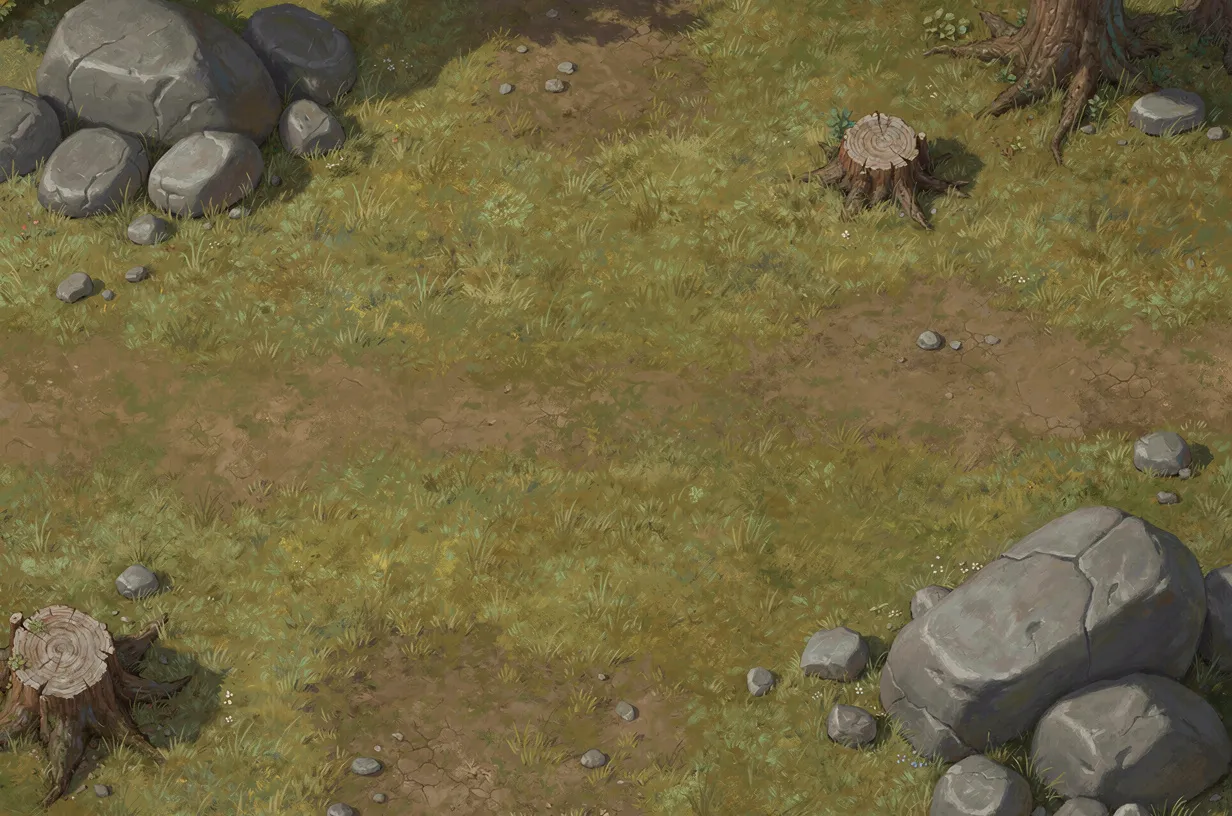
The field is 14 tiles wide and 10 deep — 140 squares, seen from above. Your stacks line up along your own edge column and your opponent's along theirs, 13 steps apart, spread down the column so that no two of your own stacks start on the same tile.
Boulders are rolled fresh for every battle: between 4 and 7 of them, and every one is mirrored to the same height on the far side of the centre line, so two players who drafted the same army face the same ground. The 3 columns nearest each home edge are always left clear, so nothing ever begins the battle walled in.
Turns, rounds and initiative
A round is one pass down the initiative list. Every living stack acts once in it; when the last of them has acted, the round ends, the list is rebuilt from whatever is still alive, and every flag on the board resets — who has braced, who has retaliated, who has waited.
A stack's turn is one action: walk, or walk-and-strike, or shoot, or brace. Wait is the exception; it costs no action at all. A stack that is killed before its turn comes round simply never gets one.
- Drake speed 8
- Dire Wolf speed 7
- Knight speed 6
- Archer speed 4
- Crossbowman speed 4
- Mage speed 4
- Spearman speed 4
- Shieldman speed 3
Speed decides initiative and nothing else does — there is no roll. On a tie the seat breaks it: the player who opened the match acts first, and if two of that player's own stacks are tied, the one bought earlier goes first. So a Drake stack at speed 8 acts before a Knight stack at speed 6 every round of every match, whoever owns them, until one of the two is dead.
Moving
A stack walks up to its speed in steps, and a diagonal step costs exactly what a straight one costs. The two home columns are 13 steps apart, so a Dire Wolf at speed 7 crosses the whole field in 2 turns and a Shieldman at speed 3 needs 5.
You cannot walk on to, or through, another stack — yours or theirs — and you cannot walk through a boulder unless you fly. Nothing else restricts a step: there is no zone of control, so walking away from an enemy that is standing next to you is free and draws nothing. The game highlights the tiles you can reach, and that highlight is computed by the server rather than the browser, so a tile that looks reachable is reachable.
Striking
To strike, you pick an enemy stack and a tile beside it that you can reach. Your stack walks there and swings, and that is one action, not two.
Only the front rank reaches. A stack swings with front creatures or as many as it has left, whichever is fewer, and each of them rolls its own damage between the creature's minimum and maximum. Then one multiplier is applied to the total: every point of attack above the defender's defence adds 5%, every point below subtracts 2.5%. The multiplier is clamped between 0.3× and 3×, and a hit never does less than 1 damage — a bad matchup is a beating, never an erasure.
Worked example. 5 Knights (attack 10, damage 5–9, front 6) strike 16 Shieldmen (defence 8). All 5 of the Knights reach: the stack is smaller than the Knight's own front rank. Attack 10 against defence 8 is 1.1×, so the swing is 28–50 damage. A Shieldman has 16 hit points, so the low roll kills 1 outright and leaves the next one standing on 4.
Damage is dealt to the stack, not to a creature. It kills whole creatures off the top of the stack and the survivor at the top carries whatever wound is left over, so a stack is always some healthy creatures plus at most one hurt one. Nothing heals, ever: a wound carried into round two is carried to the end of the battle.
Retaliation
Whatever you hit in melee hits back immediately — and the counter is rolled after your damage has landed, so killing part of the stack shrinks the reply. Carrying the example above forward: 15 Shieldmen are left, they swing with 10 (their front rank), attack 5 against the Knight's defence 9 is 0.9×, and the counter is 18–36 damage.
Retaliation is once per round, not once per attack, and that single word is the most useful thing on this page. The second stack you send into the same enemy in the same round takes nothing back at all. So send something cheap in first to draw the counter, then strike with the expensive thing. Shooting never draws a retaliation, and a stack that has already spent its own turn can still swing back — acting and retaliating are separate rights.
Shooting and line of sight
- Archer shoots 10 tiles
- Crossbowman shoots 9 tiles
- Mage shoots 8 tiles
Range is measured in steps, the same way movement is, so a diagonal counts as one tile. Everything else on the roster has a range of 0 and must walk into contact.
A shot also needs a clear line. The engine draws a straight line of tiles from the shooter to the target: a boulder anywhere along it refuses the shot outright. Creatures never block it. Arrows pass over friend and foe alike, which also means there is no friendly fire — you cannot target your own stacks at all.
What being reached costs a shooter is a halving. With any enemy standing next to it, a shooter's damage is multiplied by 0.5: 24 Archers firing into Spearmen do 21–32 with room, and 11–16 with something in their faces. The Mage is the single exception on the roster: it is the only unit with the penalty switched off, and it shoots 8 tiles whether or not you are standing on it.
Two things follow from that, and they are worth knowing before you draft. A shooter wants distance, and the cheapest way to buy distance is to put a body where the enemy has to walk. And a boulder is worth standing behind: it is the only thing in the game that can refuse a shot outright.
Flying
Exactly 1 of the 8 creatures flies: the Drake. Flying changes exactly one rule — boulders no longer stop it moving. It still cannot land on an occupied tile, it is still stopped by the edge of the field, and flight does nothing whatsoever for shooting: a flyer's line of sight is the same line everyone else's is, and the Drake has no ranged attack anyway. At speed 8 it crosses the 13 steps between the home columns in 2 turns, over the rocks, and picks which stack of yours it lands beside.
Brace and Wait
Brace ends the stack's turn and gives it +3 defence until the round ends. In the worked example above that moves the Shieldman's defence from 8 to 11 and the Knights' multiplier from 1.1× to 0.975×: the swing drops from 28–50 to 24–44, which is 4–6 damage saved. Weigh that against the strike or the shot you gave up to take it: Brace is the right answer for a stack that is going to be hit this round whatever it does — a shooter with nothing in range, a wall that is already engaged — and the wrong one whenever you had a target.
Wait costs nothing at all. The stack drops to the back of this round's order and keeps its whole action; it can be done once per round, and it is refused only when there is nobody left to go after you. It is how a fast stack stops being the one that commits first: hold your Dire Wolves at speed 7 until the enemy Knights at speed 6 have moved, and you get to strike something that has already spent its turn.
The two are opposites in one respect worth keeping straight: Brace spends the turn to take less, Wait spends nothing and buys information. If you are not sure which you want, ask whether you have a target. If you do, you almost certainly want neither.
Muster and front
Muster is how many of a creature may stand in one stack. Because a creature may appear in only one stack — the draft refuses the same unit twice and tells you to put them together — the muster is also the most of that creature a whole army can ever hold. The purse would pay for 83 Spearmen at 12 gold each; the muster stops you at 40, for 480 gold.
Front is how many of a stack actually reach the enemy and swing at once. 40 Spearmen swing with 12 of them, and the other 28 do not add a point of damage. They are not wasted: every creature in the stack is another 10 hit points that must be chewed through before the stack stops swinging at full strength. Mass buys survival, not damage — which is the rule that stops the cheapest unit being the answer to the draft.
At the dear end the cap does nothing at all. A Knight's front is 6 and you can never muster more than 5, so every Knight you own always swings.
| Creature | Muster | Front | Stack gold | Rolls |
|---|---|---|---|---|
| Spearman | 40 | 12 | 480 | 12–36 |
| Dire Wolf | 30 | 10 | 450 | 20–40 |
| Archer | 24 | 10 | 432 | 20–30 |
| Shieldman | 16 | 10 | 448 | 20–40 |
| Crossbowman | 10 | 8 | 450 | 24–48 |
| Knight | 5 | 6 | 450 | 25–45 |
| Mage | 4 | 5 | 520 | 24–40 |
| Drake | 3 | 3 | 780 | 24–42 |
That fourth column is worth reading across. Mustering a creature in full costs between 432 and 780 gold, and 6 of the 8 come in under half the purse — which is why most armies end up being two full stacks and the change, rather than 5 thin ones.
How a match ends
A side loses when it has no living creatures left anywhere on the field. There is no round limit, no clock, no surrender button and no way to retreat off the edge; if the last creatures on both sides die in the same exchange, the match is a draw.
Nothing is held for you and nothing is lost either: the server holds the battle, so closing the tab is not a forfeit and reloading is a reconnect. A match that nobody has touched for 6 hours is dropped.
The roster
Attack and defence feed the multiplier; damage is what one creature in the front rank rolls; hit points are per creature, so a stack's health is its count times this number. Range is how far it can shoot.
Eight columns do not fit a phone: the table scrolls sideways, and speed and range are off its right edge.
| Creature | Gold | Att | Def | Damage | HP | Speed | Range |
|---|---|---|---|---|---|---|---|
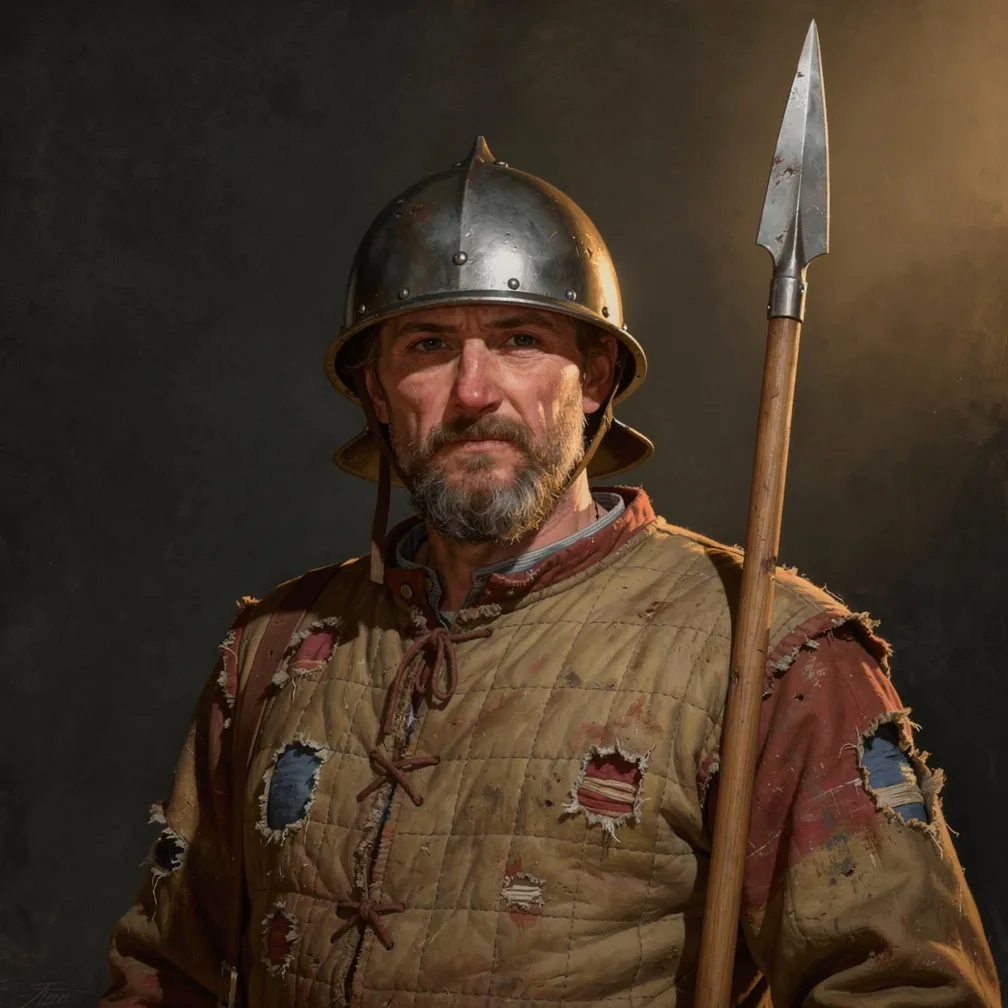 Spearman Spearman |
12 | 4 | 5 | 1–3 | 10 | 4 | melee |
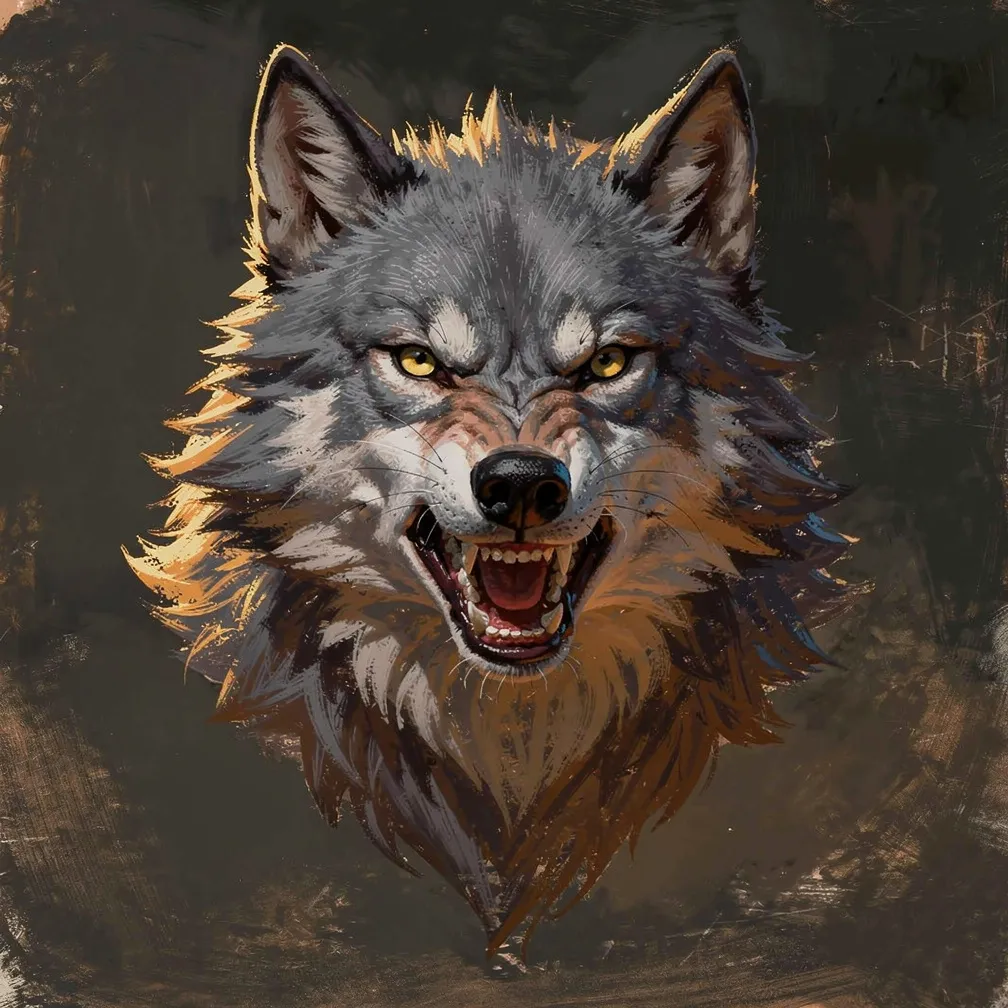 Dire Wolf Dire Wolf |
15 | 5 | 3 | 2–4 | 9 | 7 | melee |
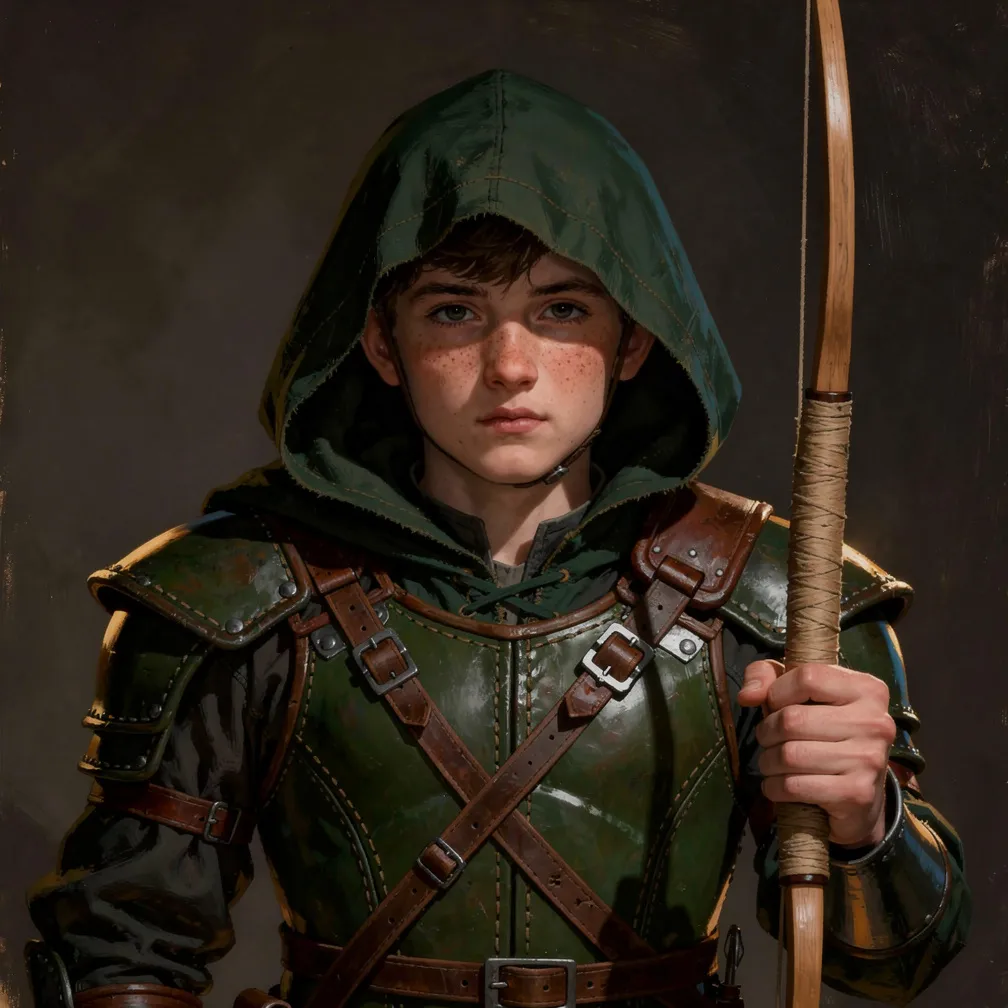 Archer Archer |
18 | 6 | 3 | 2–3 | 8 | 4 | 10 |
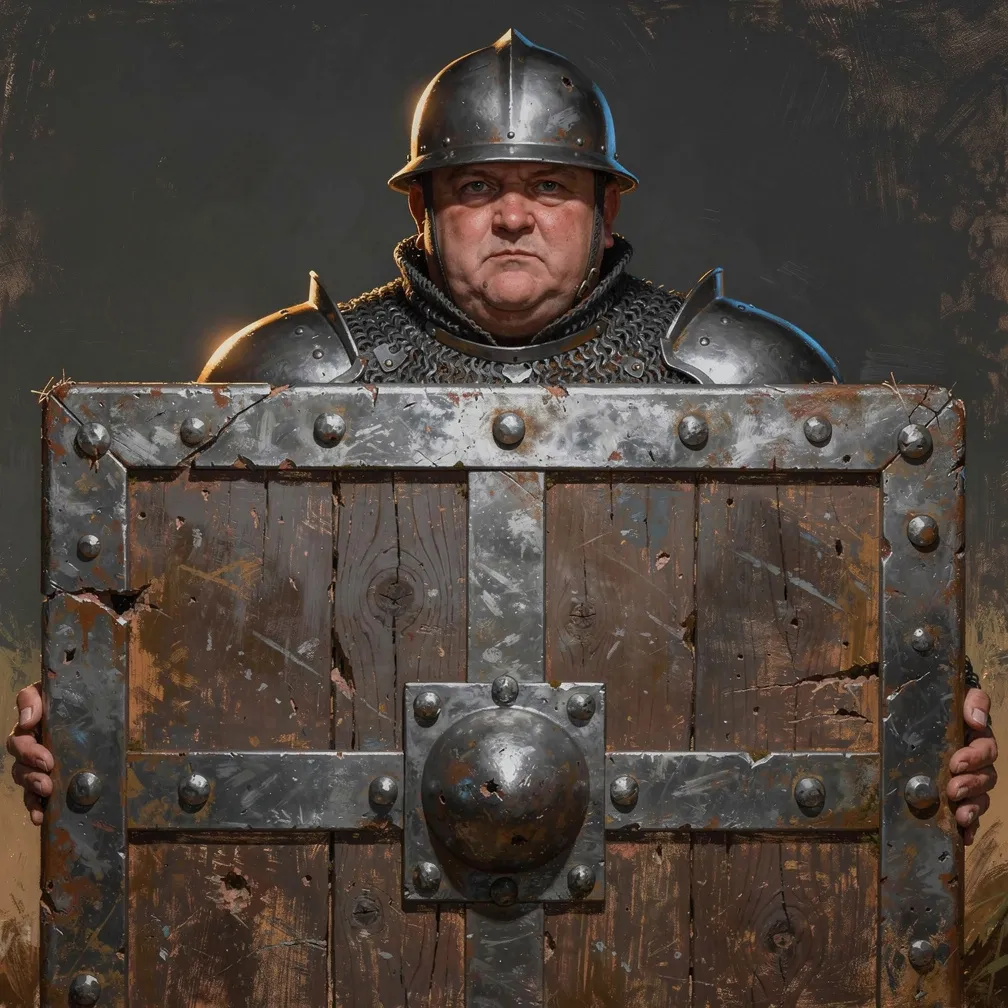 Shieldman Shieldman |
28 | 5 | 8 | 2–4 | 16 | 3 | melee |
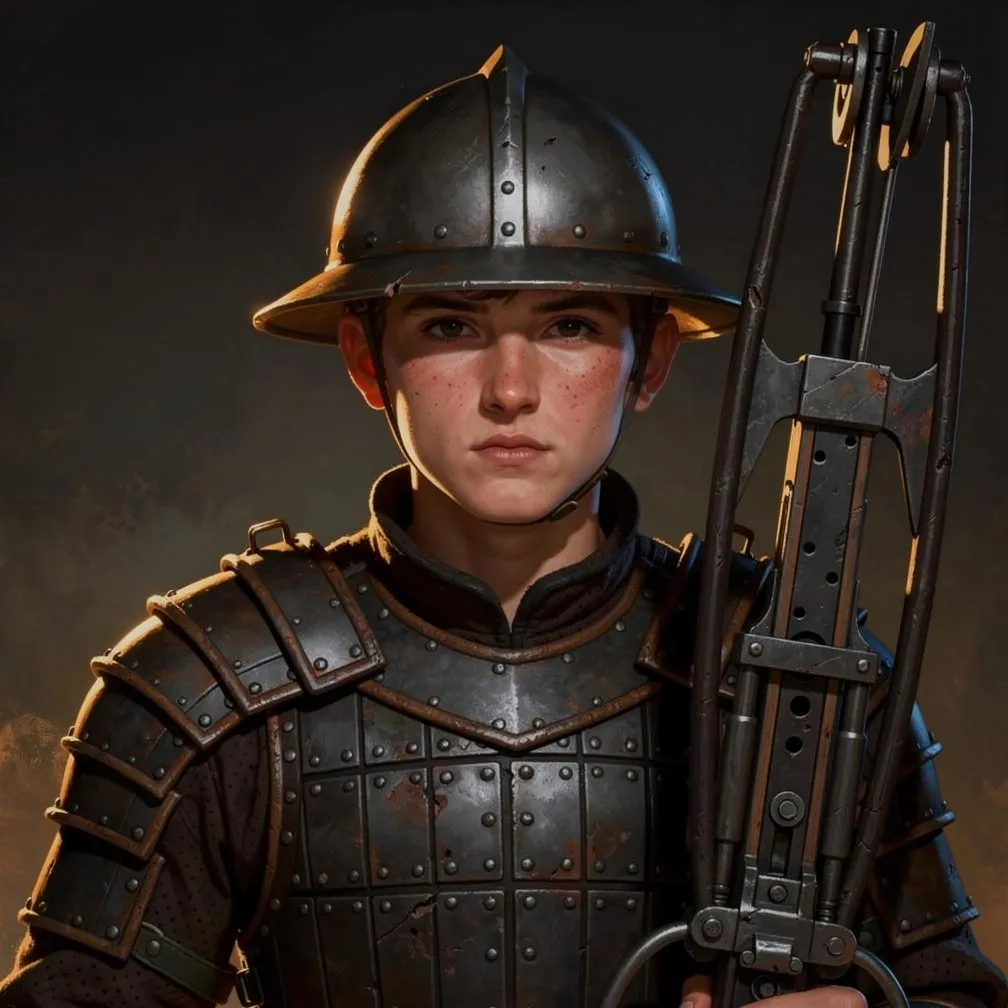 Crossbowman Crossbowman |
45 | 8 | 5 | 3–6 | 12 | 4 | 9 |
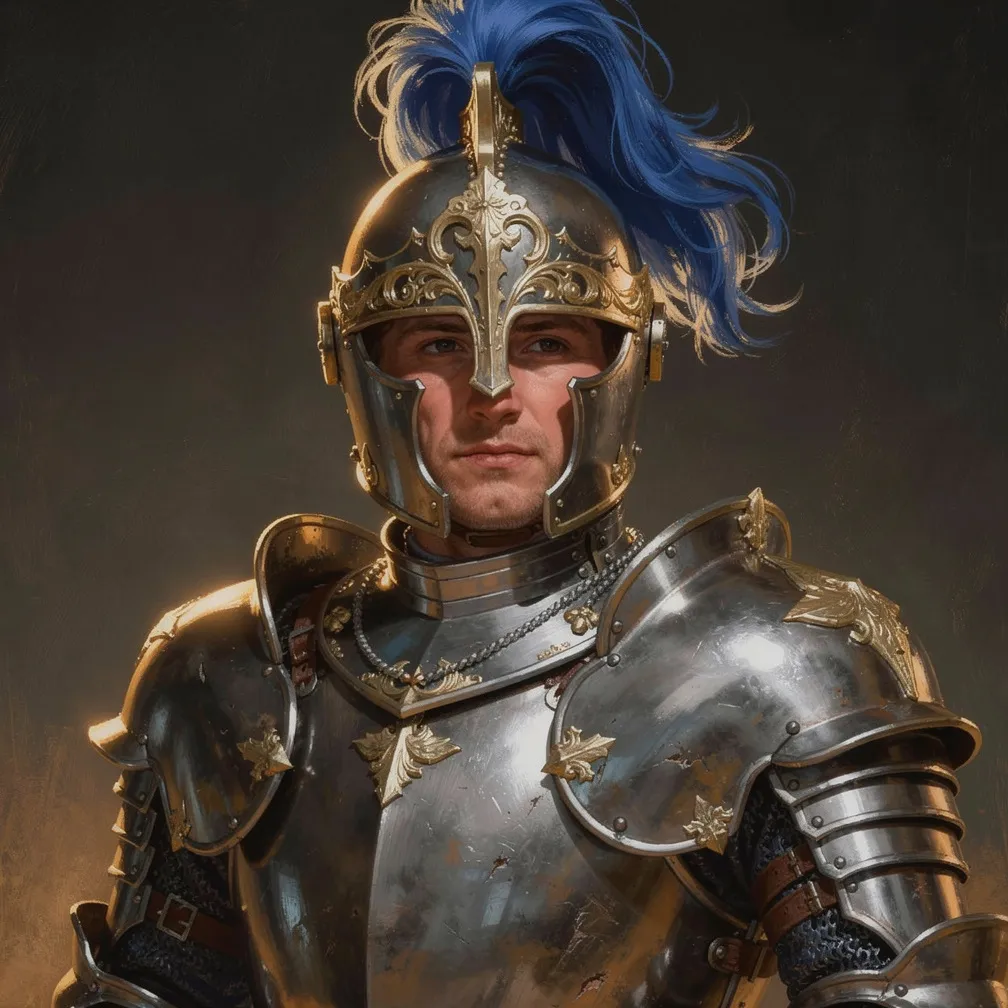 Knight Knight |
90 | 10 | 9 | 5–9 | 30 | 6 | melee |
 Mage Mage |
130 | 9 | 6 | 6–10 | 18 | 4 | 8 |
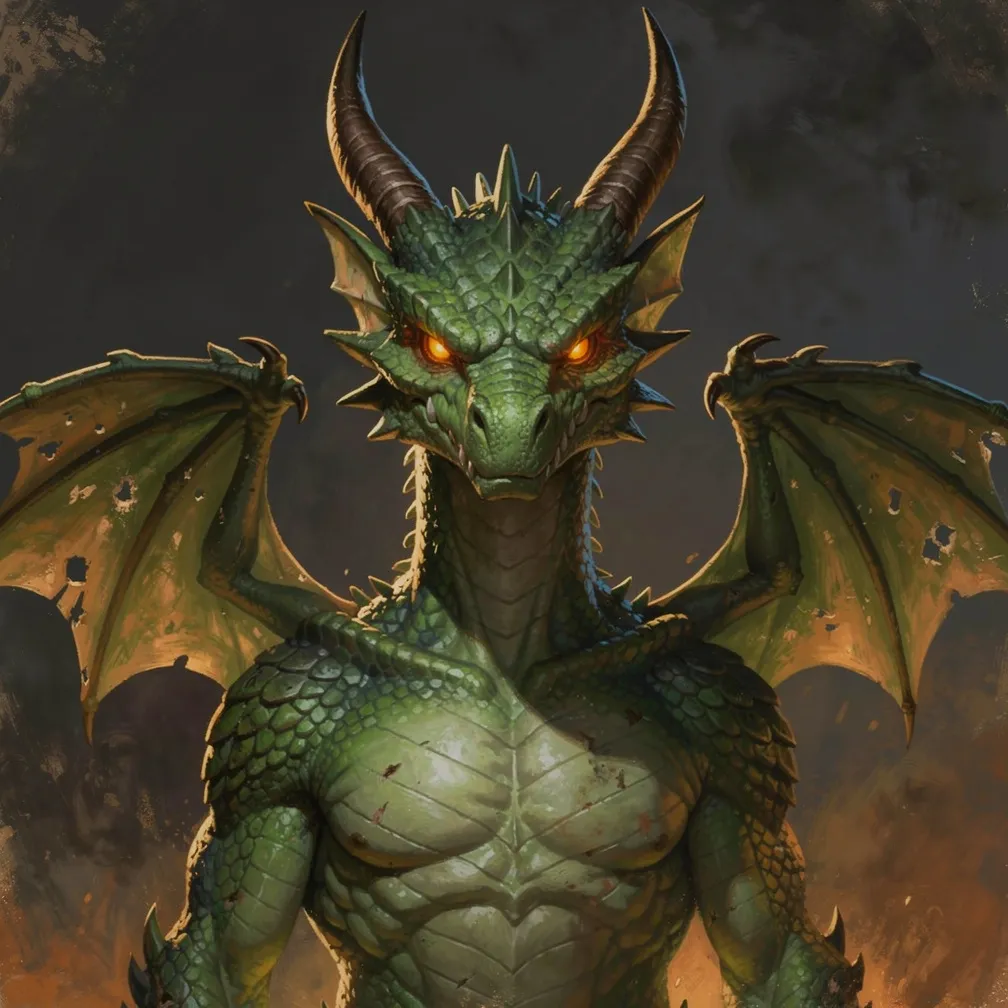 Drake Drake |
260 | 13 | 11 | 8–14 | 60 | 8 | melee |
Costs are per creature, and the purse is 1000 gold for at most 5 stacks.
Your first army
Three openings that are legal, priced by the engine, and honest about what they give up. None of them is the answer — the draft is not solved, and the server's own balance suite exists to keep it that way. Each is a shape, and the point of showing three is that they are different shapes.
The wall and the gun
| Stack | Creatures | Gold | Stack HP |
|---|---|---|---|
| Shieldman | 16 | 448 | 256 |
| Crossbowman | 10 | 450 | 120 |
| Archer | 5 | 90 | 40 |
| Spent | 31 | 988 | 416 |
The Crossbowmen do the killing — 28–55 into Spearmen from 9 tiles away — and they lose half of that the moment anything reaches them. The Shieldmen exist to be the thing that gets reached: 256 hit points of wall at defence 8, which only the Knight at 9 and the Drake at 11 beat. What it gives up is the choice of ground: every stack in it moves at speed 3–4, so the enemy decides where the fight happens.
Numbers
| Stack | Creatures | Gold | Stack HP |
|---|---|---|---|
| Spearman | 40 | 480 | 400 |
| Archer | 24 | 432 | 192 |
| Dire Wolf | 5 | 75 | 45 |
| Spent | 69 | 987 | 637 |
69 creatures and 637 hit points, which is more of both than either other opening here buys. The damage is thinner than the body count suggests: the Spearmen swing with 12 at a time, which is 11–32 into a Shieldman wall, because front is a cap on mass and mass is the whole of this army. The Archers are what makes it win exchanges rather than merely survive them, and the Dire Wolves are there to reach the enemy's shooters at speed 7 and stand on them, which is what puts the halving on somebody else.
Knights and mages
| Stack | Creatures | Gold | Stack HP |
|---|---|---|---|
| Knight | 5 | 450 | 150 |
| Mage | 4 | 520 | 72 |
| Spent | 9 | 970 | 222 |
9 creatures in 2 stacks, and every one of them swings or shoots at full strength, because both stacks are smaller than their own front rank. The Mages ignore the pinned-shooter halving entirely, so this is the one shooting stack you can leave in contact and forget about; the Knights cross the field in 3 turns and go and stand on somebody else's shooters. The price is 222 hit points, the least on this page by a distance, in 2 stacks — lose one and you have lost half the army.
What the rules do not have
Shorter than the list of what they do, and just as worth knowing:
- No morale and no luck. The same attack into the same defence always produces the same multiplier. Once the battle starts, the damage roll between a creature's minimum and maximum is the only randomness left in the engine.
- No flanking, no rear bonus, no opportunity attacks. A hit from behind is a hit.
- No terrain but boulders. No high ground, no cover, no rough going. A tile is either walkable or it is a rock.
- No healing, no reinforcements, no spells. The Mage's attack is an ordinary shot that happens to ignore what is standing next to it. What you drafted is what you have.
- No hidden information once the fight starts. The draft is secret; the battle is not. Press and hold any stack on the board — yours or the enemy's — and it shows you that creature's card.